—
Introduction – Why Igreja Santa Should Be on Your Travel Radar
Imagine stepping through massive wooden doors into a space where centuries‑old stone walls whisper stories of faith, art, and community. That’s the feeling you get when you first lay eyes on Igreja Santa, one of Brazil’s most iconic religious landmarks. Whether you’re a pilgrim seeking spiritual solace, an architecture enthusiast hungry for Baroque details, or a curious traveler craving authentic cultural experiences, this church offers a rich tapestry of attractions that go far beyond a simple place of worship.
In this guide, we’ll dive deep into the history, architecture, and cultural significance of Igreja Santa, while also giving you practical, actionable advice on how to make the most of your visit. By the end, you’ll know exactly why this sacred site is a must‑see and how to plan a seamless trip that captures every hidden gem.
—
1. The Fascinating History of Igreja Santa
From Colonial Roots to Modern Reverence
Founded in the early 18th century, Igreja Santa (also known as Igreja de Nossa Senhora da Santa in some regions) began as a modest chapel built by Portuguese settlers. Its original purpose was to serve the spiritual needs of a small farming community nestled in the rolling hills of Minas Gerais. Over the next two centuries, the church evolved dramatically, reflecting the social, political, and artistic currents of Brazil.
- 1732 – The first stone is laid under the guidance of Father José de Almeida, a missionary who envisioned a grand sanctuary for the growing population.
- 1765 – A devastating fire destroys much of the original structure, prompting a reconstruction that introduces Baroque and Rococo elements, which remain visible today.
- 1822 – With Brazil’s independence, the church becomes a symbol of national identity, hosting public ceremonies and patriotic gatherings.
- 1900s – Restoration projects preserve the original artwork, while the surrounding town expands, turning Igreja Santa into a cultural hub.
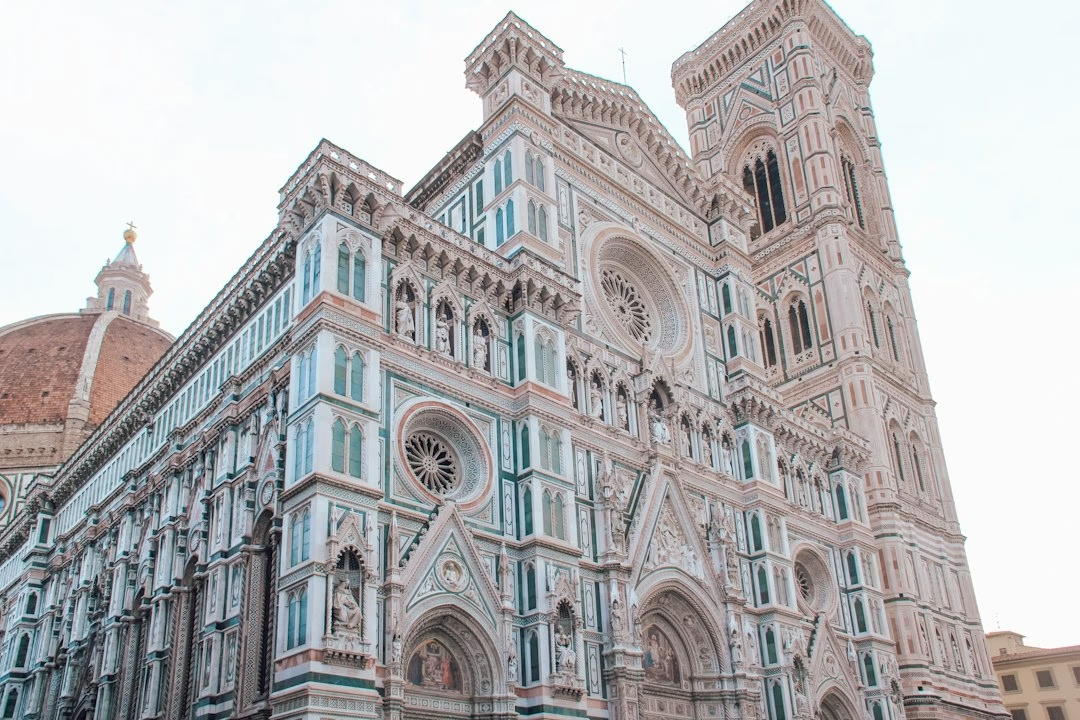
- Facade: A symmetrical stone façade adorned with twin bell towers, each topped with turquoise ceramic tiles that glisten under the sun.
- Portico: Carved wooden doors featuring intricate floral motifs—a nod to the local flora and the artistry of indigenous carpenters.
- Nave: Stretching 45 meters, the nave is flanked by marble columns wrapped in gilded vines. The acoustic design allows organ music to resonate beautifully, creating a meditative atmosphere.
- High Altar: Crafted from Brazilian rosewood, the altar showcases a gold‑leaf backdrop and a life‑size statue of Our Lady of Santa, a masterpiece by local sculptor Antônio Silva.
- Side Chapels: Each chapel is dedicated to a different saint, offering intimate spaces for prayer and featuring unique altarpieces made from reclaimed wood.
- Feira da Santa (June 12–15): A four‑day religious fair featuring processions, folk music, and traditional food stalls.
- Semana Santa (Holy Week): Dramatic reenactments of the Passion of Christ, complete with candlelit vigils and choral performances.
- Festa da Luz (December 24): A spectacular Christmas Eve service illuminated by thousands of candles, creating a magical glow throughout the nave.
- Best Time: Late April to early June offers pleasant weather and aligns with the Feira da Santa festivities.
- Transportation: The nearest airport is São José dos Campos International (SJC), about 45 km away. From there, rent a car or take a regional bus (Line 12) directly to the town of Santa Luz.
- Parking: Free parking is available behind the church; a small fee applies during major festivals.
- Wheelchair Access: Ramps are installed at the main entrance; however, some side chapels have narrow doorways.
- Restrooms: Modern facilities are located near the visitor center, equipped with baby changing stations.
- Wi‑Fi: Free Wi‑Fi is available in the courtyard, perfect for sharing your photos instantly.
- Donate Online: The official website offers a secure portal for contributions, with options to fund specific projects (e.g., fresco restoration).
- Volunteer: Seasonal volunteer programs allow you to assist with event organization, guided tours, and maintenance tasks.
- Spread the Word: Sharing your experience on social media using hashtags like #IgrejaSanta and #VisitBrazil raises awareness and encourages responsible tourism.
- Leave No Trace: Stick to designated pathways to protect the historic stonework.
- Respect Quiet Hours: The church observes silent hours from 6 pm to 7 pm daily; keep noise levels low during this period.
- Historical Significance: Igreja Santa stands as a testament to Brazil’s colonial past, independence movement, and enduring faith.
- Architectural Beauty: The blend of Baroque grandeur, local craftsmanship, and vibrant stained‑glass makes it a visual masterpiece.
- Cultural Vibrancy: Annual festivals and daily services keep the church alive as a community hub.
- Visitor-Friendly: With clear transportation options, guided tours, and thoughtful amenities, the site welcomes travelers of all backgrounds.
- Preservation Opportunities: By donating, volunteering, or simply practicing sustainable tourism, you help safeguard this treasure for future generations.
Understanding this timeline helps visitors appreciate how each stone and fresco tells a story of resilience and faith.
Key Historical Highlights to Explore
1. The Original Baptismal Font – Still in use, it’s a tangible link to the 18th‑century congregation.
2. The 1765 Frescoes – Painted by the renowned Italian artist Giovanni Battista, these murals depict the life of Saint Mary and are considered some of the finest Baroque art in the region.
3. The Independence Altar – Added in 1822, this altar commemorates Brazil’s break from Portugal and features an intricate wooden crucifix.
—
2. Architectural Marvels That Capture the Eye
Baroque Grandeur Meets Local Craftsmanship
When you step inside Igreja Santa, the first thing that strikes you is the symphony of light and shadow created by the high vaulted ceiling and strategically placed stained‑glass windows. The architecture is a blend of European Baroque drama and Brazilian craftsmanship, resulting in a uniquely regional aesthetic.
#### Highlights of the Exterior
#### Highlights of the Interior
Architectural Details Worth a Closer Look
| Feature | Description | Why It Matters |
|———|————-|—————-|
| Coffered Ceiling | Hand‑carved wooden panels painted in deep blue with gold leaf accents. | Demonstrates the fusion of European design with Brazilian materials. |
| Stained‑Glass Windows | Depict biblical scenes in vibrant colors; crafted by a French workshop in 1885. | Adds a kaleidoscope of light that enhances the spiritual ambiance. |
| Organ Pipe Gallery | Built by the renowned German firm Walcker in 1902. | One of the few original pipe organs still operational in Brazil. |
—
3. Cultural Events & Traditions – Experience the Living Faith
Annual Festivities That Bring the Community Together
Igreja Santa isn’t just a museum of stone; it’s a living center of worship that hosts several annual events drawing thousands of visitors. Mark your calendar for these must‑see celebrations:
How to Participate Respectfully
1. Dress Modestly: Long sleeves and skirts are recommended, especially during sacraments.
2. Arrive Early: Popular events fill quickly; arriving at least 30 minutes before the start guarantees a good spot.
3. Learn the Basics: Familiarize yourself with key Portuguese phrases like “Bom dia” (good morning) and “Por favor” (please) to show respect to locals.
—
4. Practical Visiting Tips – Make the Most of Your Trip
When to Go & How to Get There
Insider Advice for an Unforgettable Experience
| Tip | Details |
|—–|———|
| Guided Tours | Book a 90‑minute guided tour (R$ 30) at the visitor center. Guides wear traditional attire and share anecdotes not found in guidebooks. |
| Photography Etiquette | Flash photography is prohibited inside the nave to protect frescoes. Use natural light or a smartphone’s low‑light mode. |
| Local Cuisine | After your visit, try the pão de queijo and feijoada at the nearby Casa da Praça—the restaurant is famed for its historic recipes. |
| Souvenir Shopping | Purchase hand‑crafted rosaries and ceramic tiles from the Artesanato da Santa market; proceeds support church restoration. |
Accessibility & Amenities
—
5. Preserving the Legacy – How You Can Contribute
Support Ongoing Restoration Projects
Igreja Santa continuously undertakes restoration and conservation work to protect its priceless art and architecture. You can help in several ways:
Sustainable Tourism Practices
—
Conclusion – Key Takeaways
Whether you’re planning a dedicated pilgrimage, a cultural weekend, or simply looking for a stunning backdrop for your travel blog, Igreja Santa promises an enriching, soul‑stirring experience that lingers long after you leave its hallowed halls. Pack your camera, brush up on a few Portuguese phrases, and step into a world where history, art, and devotion converge in perfect harmony.
—
Ready to explore? Book your tickets, set your itinerary, and let Igreja Santa become the highlight of your Brazilian adventure!
Receba as Novidades Grátis !